Struggling Agriculture in Israel
2023
I spent two weeks volunteering on Israeli farms struggling during wartime after the October 7th attacks. Most of Israel’s produce is grown locally, and the agricultural sector was greatly impacted after the attacks.
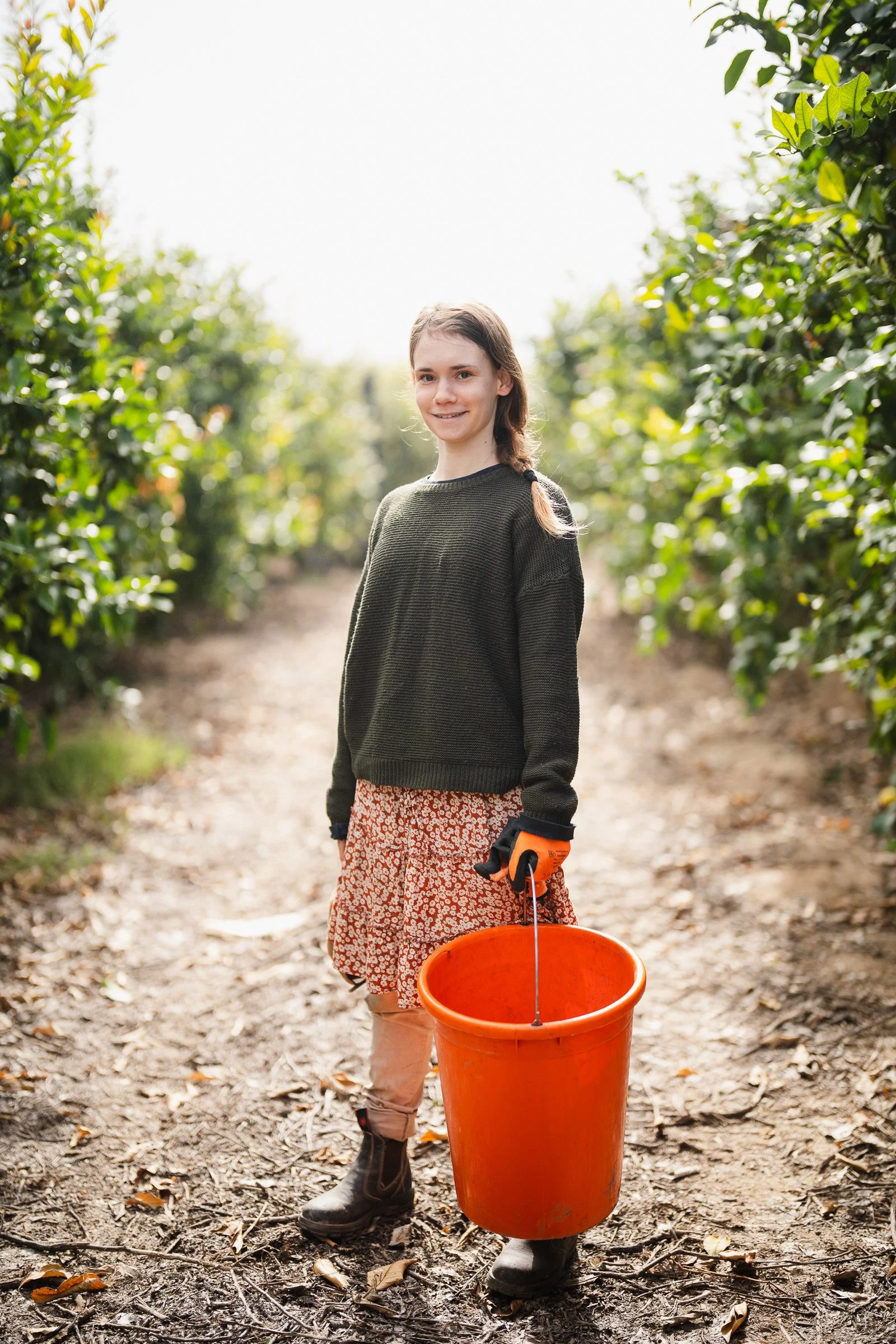
A lesser-known fact: Hamas terrorists killed 39 Thai farm workers that day, and took 31 Thai nationals hostage. This led the Thai government to urge its citizens living in Israel to flee the country and repatriate to Thailand. I volunteered at large-scale greenhouses, like moshav Ahituv in northern Israel, where farmers lost nearly their entire immigrant workforce overnight. There are new migrant workers from India, but training takes time, and while production has not stalled, it has slowed considerably. I helped pick lemons 3 miles from the Gaza border as wartime explosions repeatedly sounded nearby, and met lemon grove farmers, Shira and her father Amos. Despite evacuation orders at the very start of the Israel-Hamas war, Shira’s family stayed to work the land because losing their farm would mean losing generations of effort—and everything they had built. In a kibbutz 2 miles from the Gaza strip, I met a grapefruit farmer who witnessed young people being gunned down in the road by Hamas militants on October 7th; they were escaping the Nova music festival massacre. Some of those people survived because he sheltered them on his farm.
Agriculture has been an integral part of Israel, since its foundation, and farms have been passed down through generations. These photos focus on daily routines, the shifting labor force, and the international volunteers stepping in to support Israeli society.
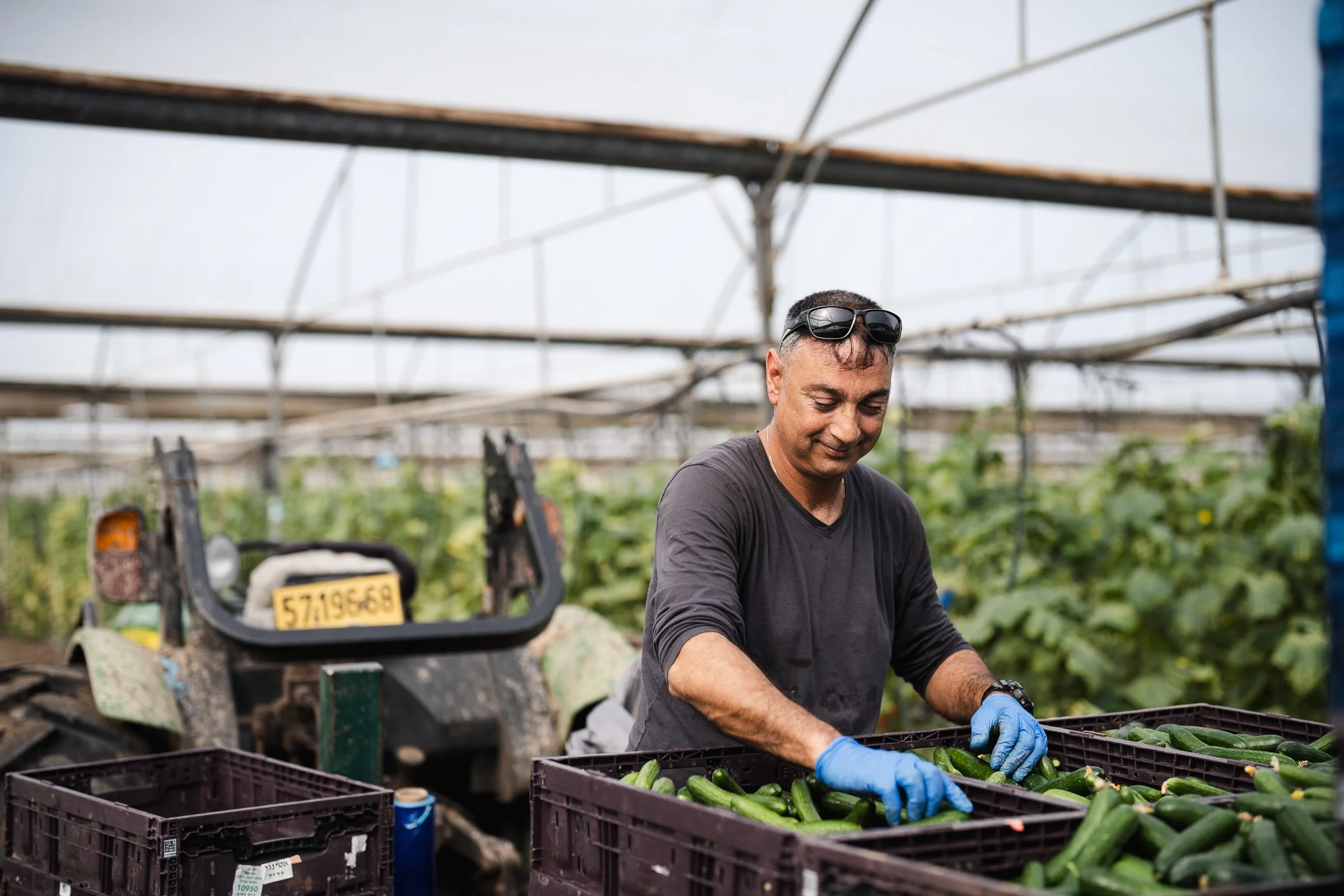


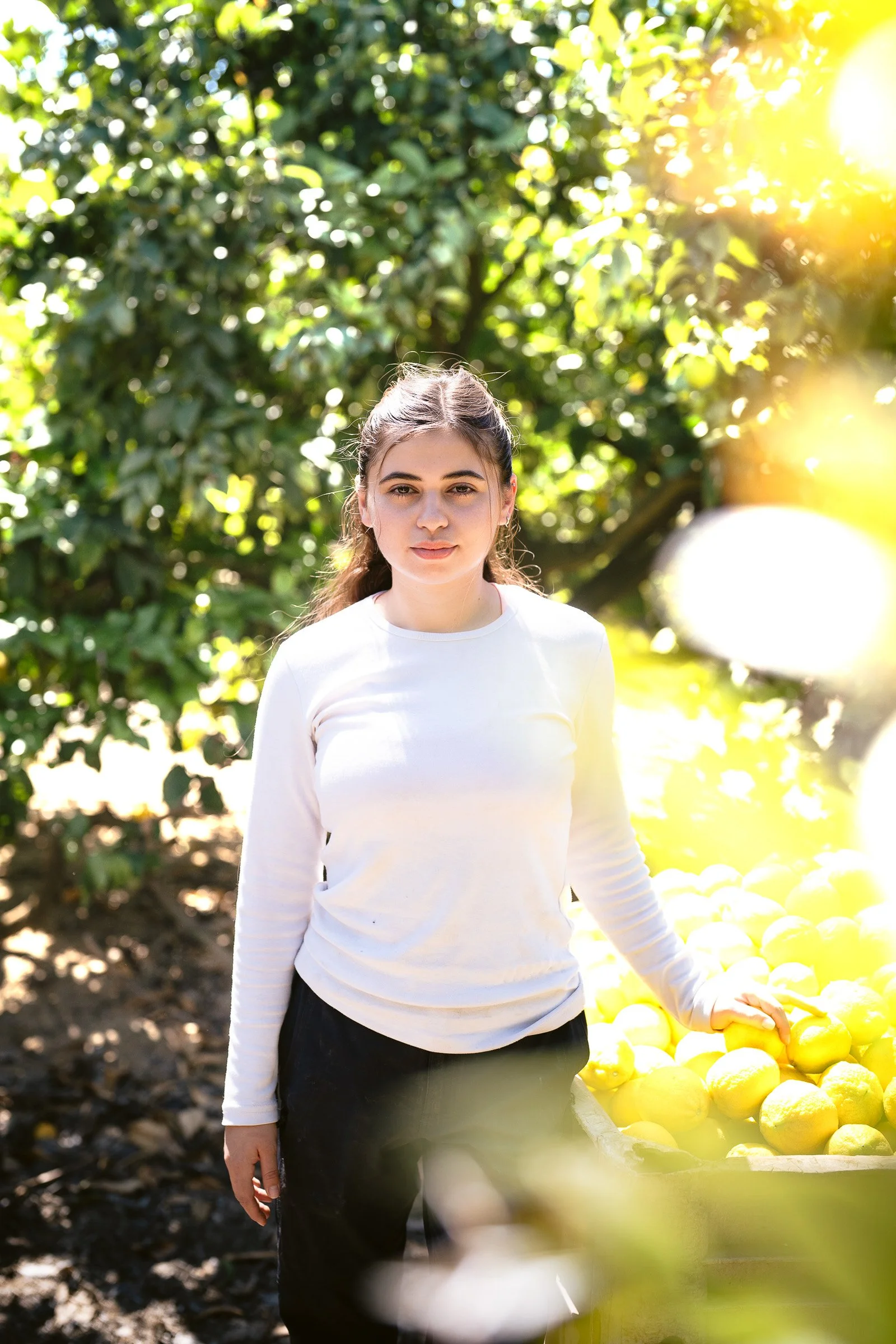
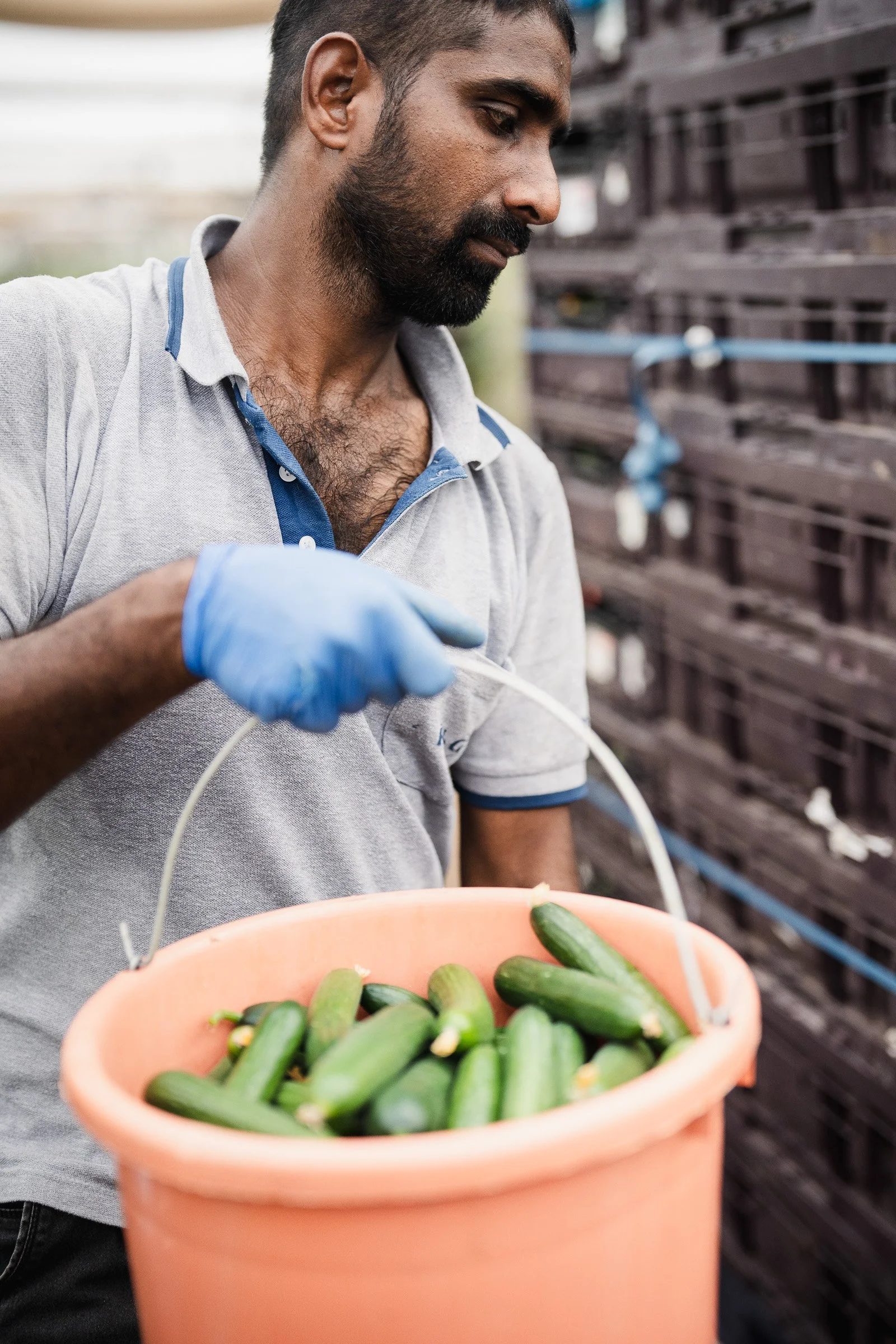


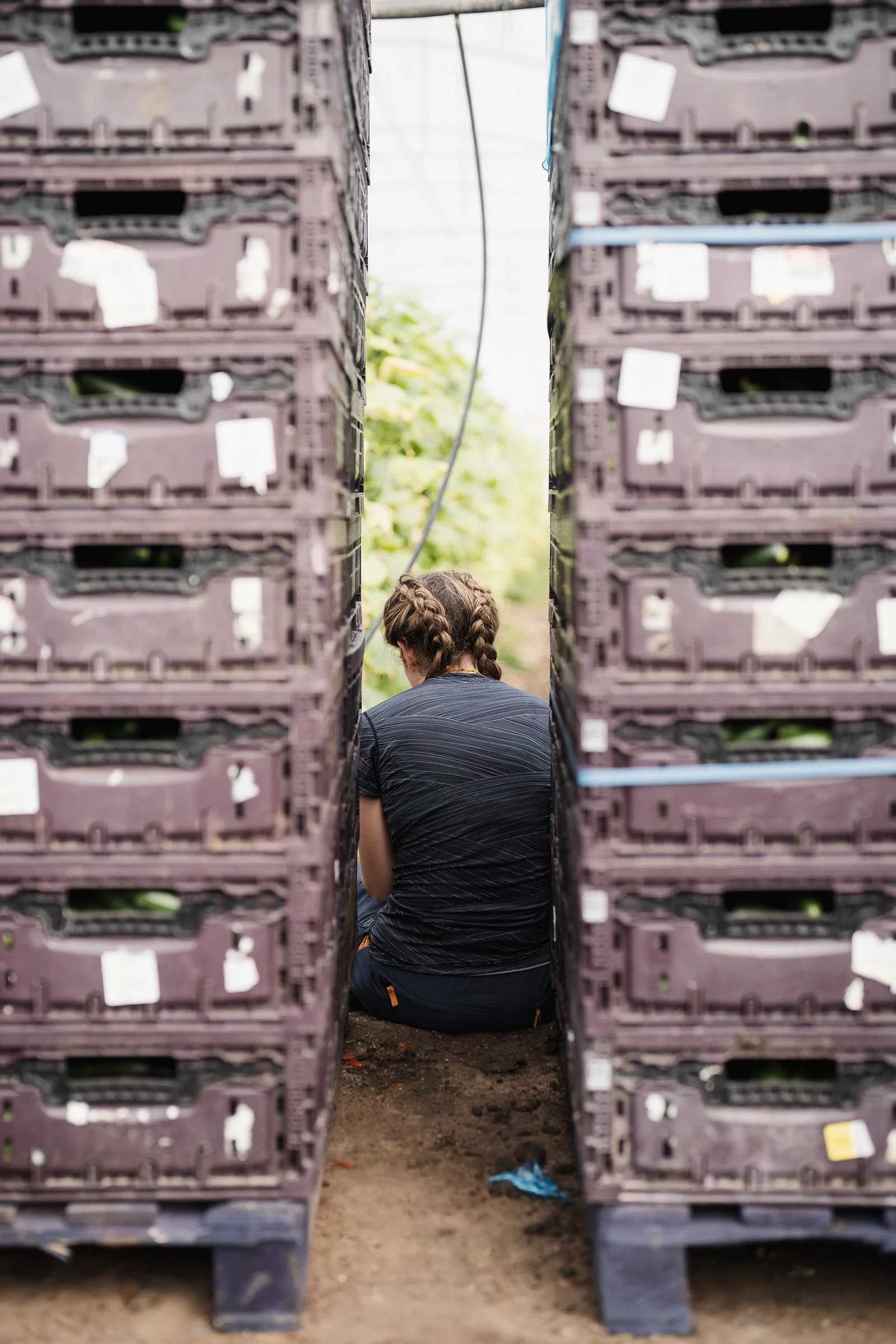
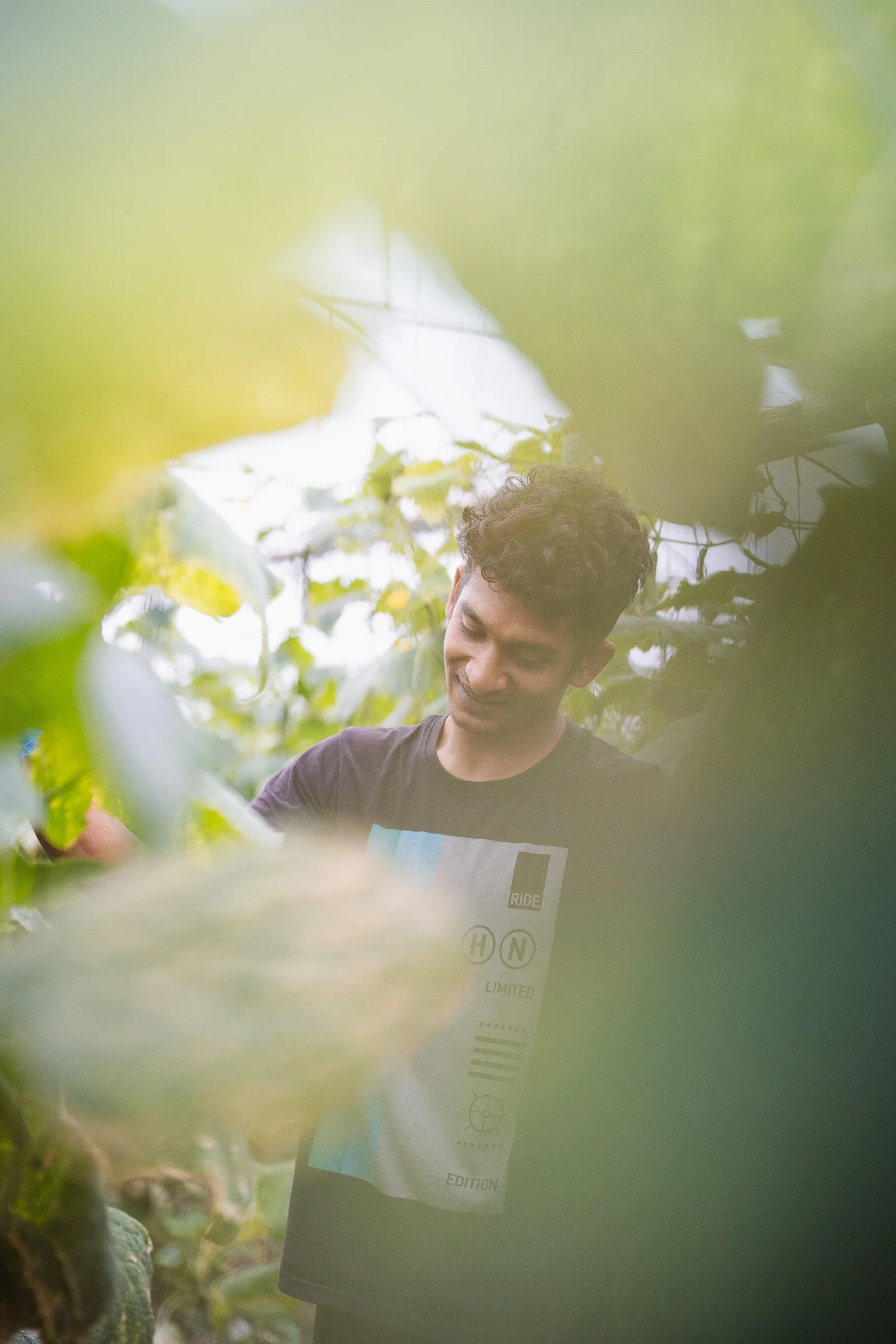
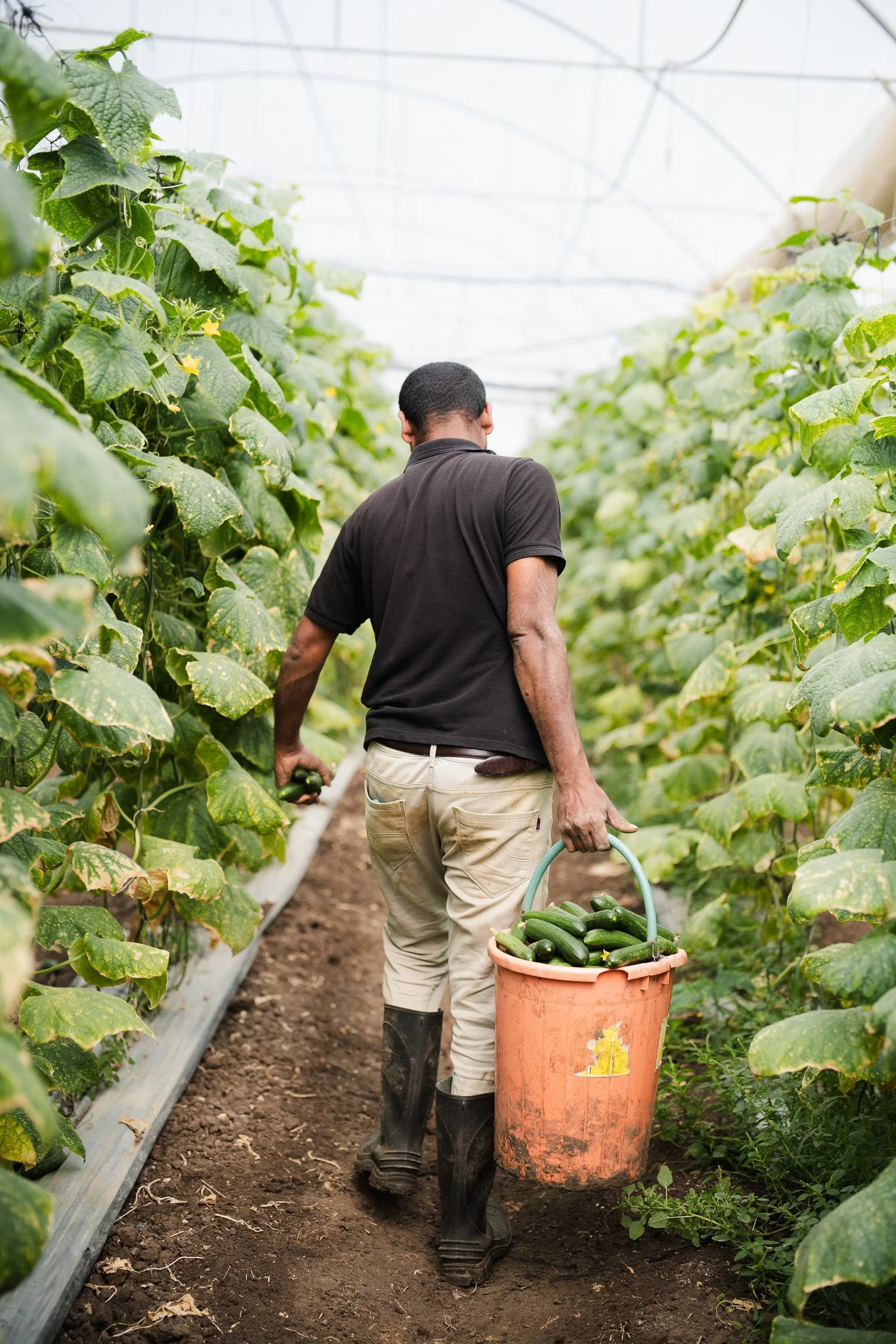




Moshav Ahituv
Kibbutz Mefalsim
Kibbutz Alumim
Birthright Israel Volunteer