Refugee Crisis in Serbia
Published in The University of Oxford, Faculty of Law
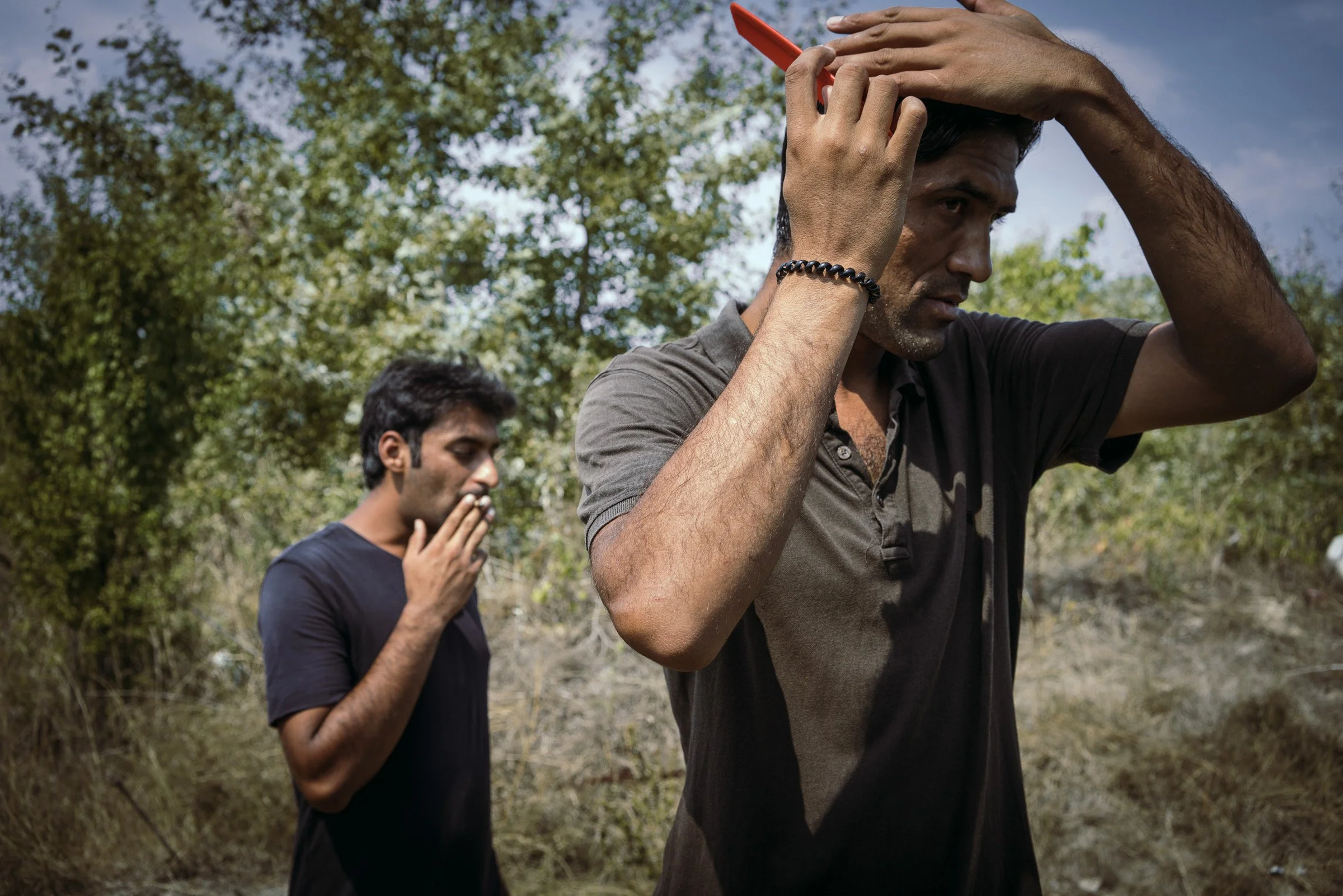
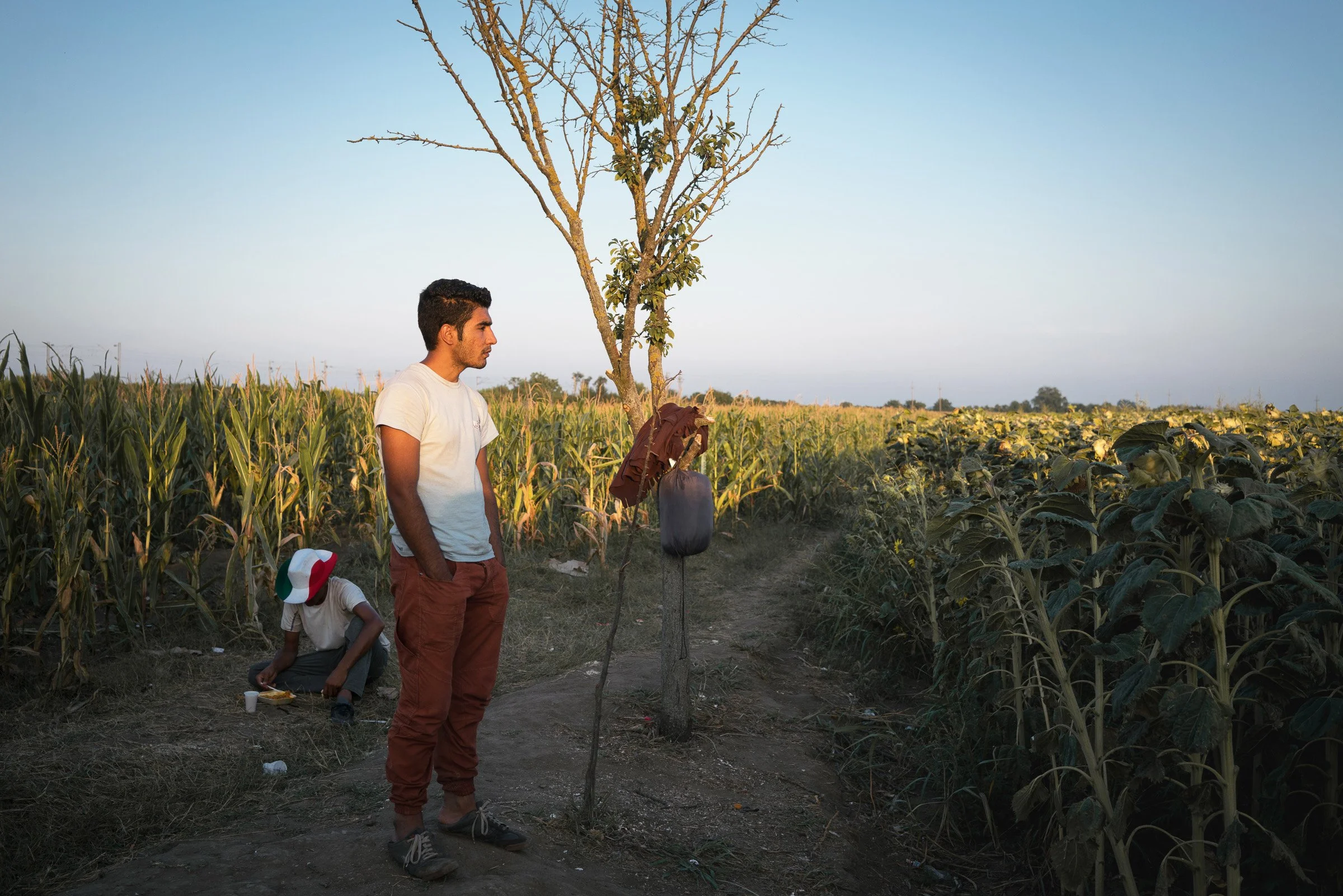
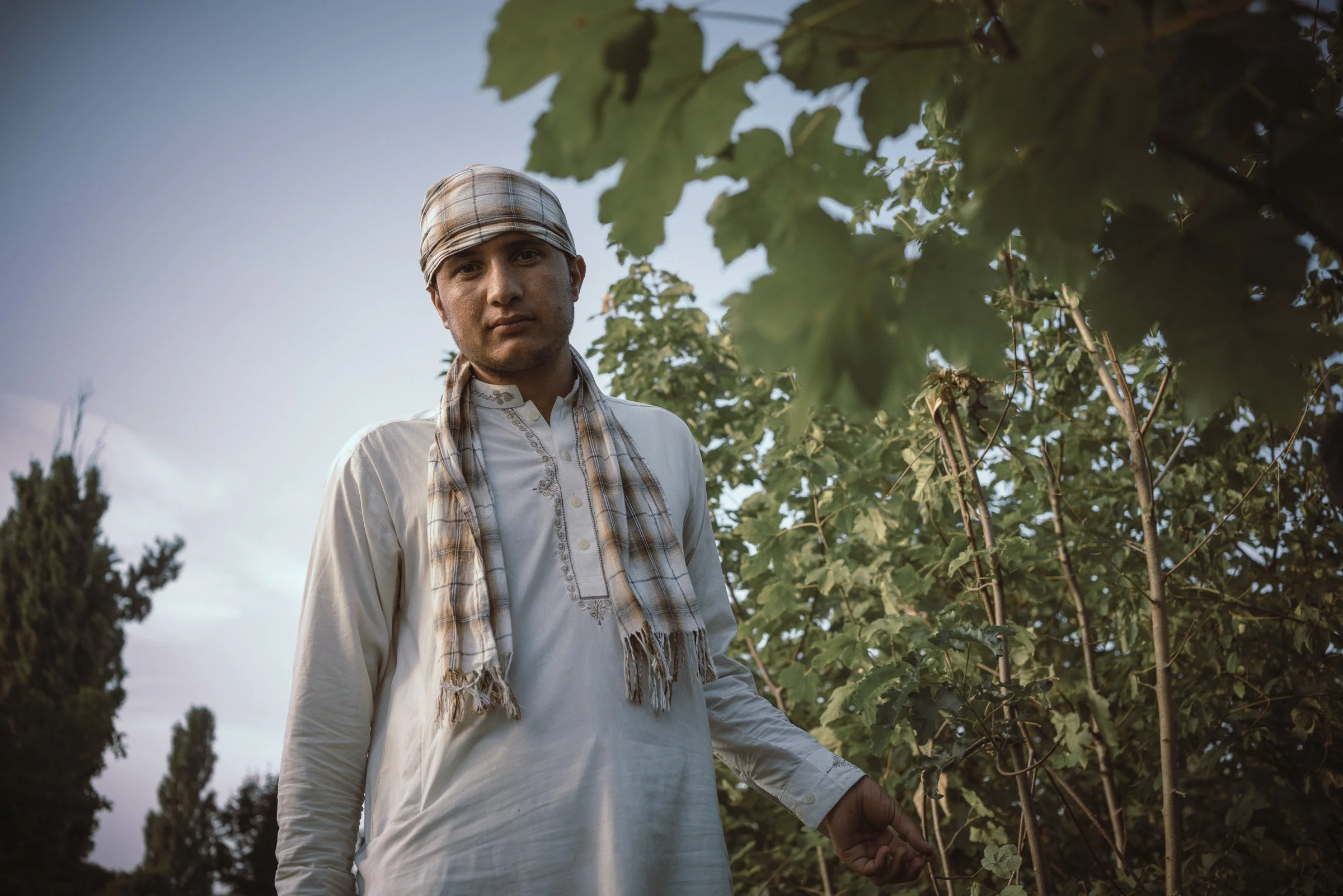
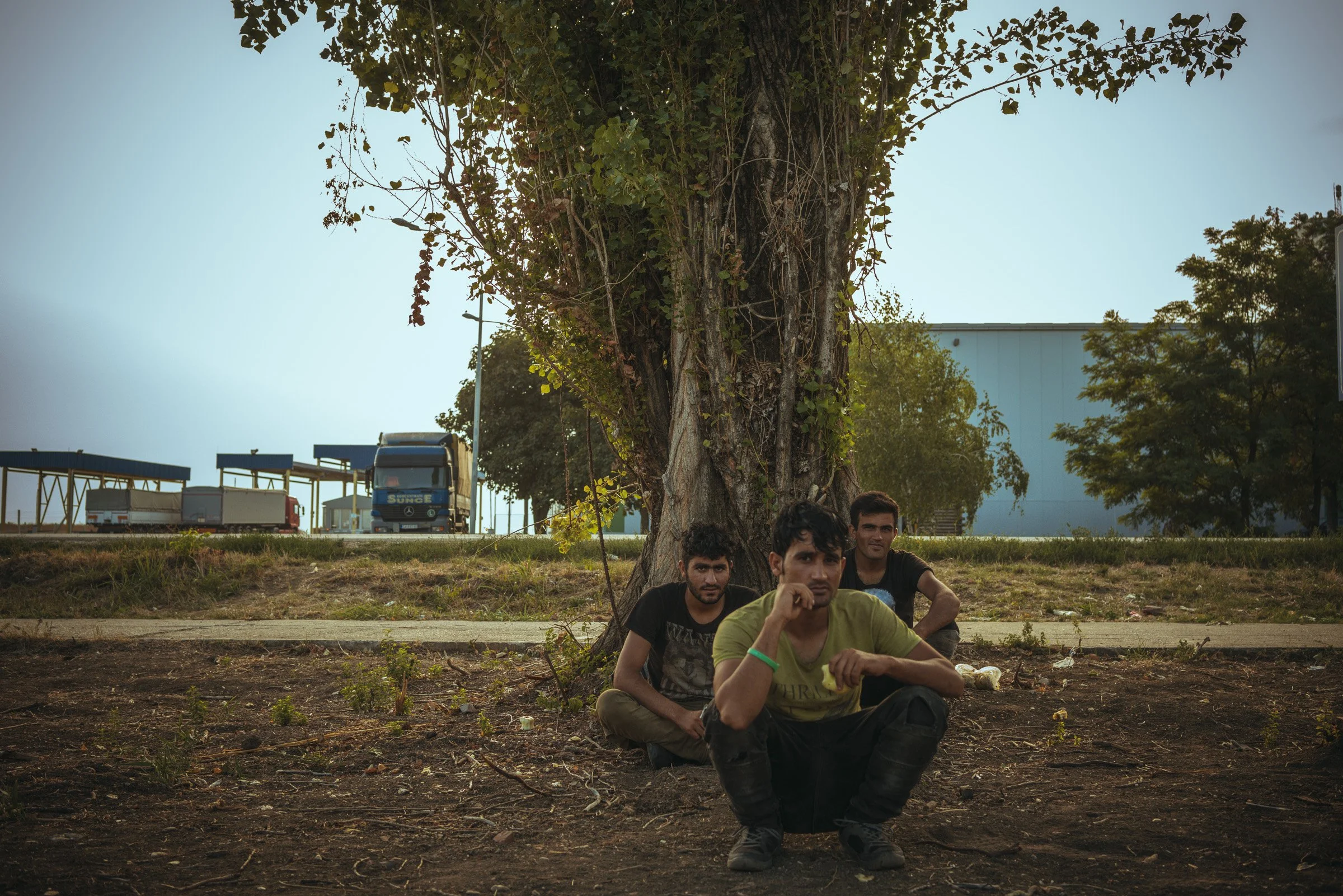
There were roughly 8,000 refugees in Serbia in 2017; most from Afghanistan, also from Pakistan, Syria, Iraq, and North Africa. Some held in camps, waiting for asylum. Others living in fields and abandoned structures along the borders with Croatia and Hungary, actively trying to cross into Western Europe. It’s estimated that half of all refugees worldwide are under 18. Many of these young men scarcely look sixteen but wear the hardened expressions of survivors. They sleep on the ground with little food, water, or shelter. After enduring the harsh Serbian winter in Belgrade barracks, they were expelled by authorities. Now they move freely but at great risk. Many are beaten, robbed, or sent back barefoot. Some suffer bite wounds from police dogs. The greatest toll is psychological. They fled war and poverty, survived dangerous journeys, and now face continued violence and hopelessness. Mental health is deteriorating, with rising cases of self-harm and suicide. Most will not receive asylum under the 2016 EU-Afghanistan deal, which classifies Afghans as economic migrants. Still, hope for the future keeps them going.